The Eco-Center

An eco-friendly building

The Renatura eco-center is, as its name suggests, a building eco-built. It was developed using environmentally friendly materials and techniques, and in collaboration with local artisans. Discover the main components of an eco-center below:

Raw earth walls

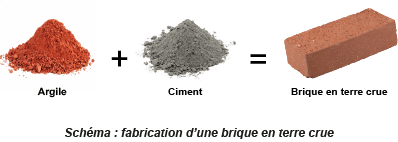
The walls of the building are all made of raw earth: a mixture of clay and 7% cement was compressed in a press. This compression removes air from the block, making it waterproof and increasing its strength. These bricks are healthy and environmentally friendly materials. They are antibacterial, insulating, and regulate humidity. They are also very good thermal and acoustic insulators.

Recycled plastic tiles

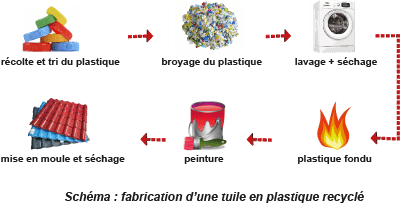
Roof tiles are frequently used construction products. Bottles, bags, and other plastic items, as well as household waste made of polyethylene and/or polypropylene, can be recycled into raw materials after selective collection. All roof tiles were produced locally by the company. DGP Group Roof Tile with basic plastic, such as bottle caps.

Natural ventilation

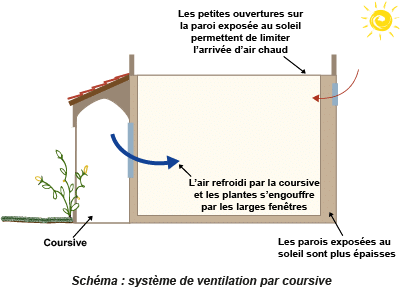
Thanks to a corridor running the entire length of the main building, thermal comfort and air quality are guaranteed. This is a form of natural ventilation that involves creating sufficient air circulation in the various rooms to reduce the perceived temperature.

Photovoltaic solar panels

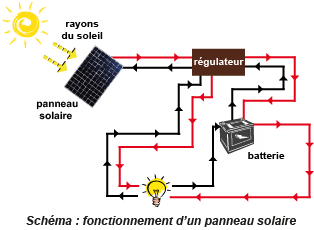
They capture and convert solar radiation into electricity. These installations are ideal in countries with high levels of sunshine. Two panels have been placed on the roof of the eco-center, supplying power to the exhibition hall and outdoor lighting.

A rainwater harvesting system

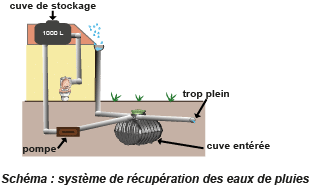
Each toilet flush consumes around 9 liters of water, which represents an average of more than 90 liters of water wasted per day. At the eco-center, gutters collect rainwater and store it in a tank located under the building. This reserve is used to supply all the toilet flushes in the center. A system that is both environmentally friendly and economical! A 1,000-liter storage tank has also been installed on the roof of the eco-center. It supplies water to the toilets by gravity in the event of a power cut.

A water purification basin

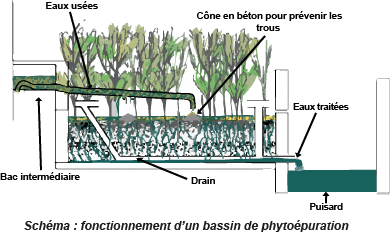
The vertical flow planted basin treats wastewater from the entire eco-center (kitchen and toilets). This filter is a wastewater treatment technique similar to a septic tank. It works by combining sand, gravel, and plants to create an environment conducive to the development of purifying bacteria.

Contact: Matthieu QUINQUIS, Landscape designer, expert in integrated water management (matthieu.quinquis@yahoo.fr)

A space for welcoming and interacting

Our premises also serve as a reception area for visitors, schools, and civil society organizations (CSOs). The building is designed to welcome the public with a genuine desire to share knowledge, thanks in particular to the various explanatory panels.

The permanent exhibition

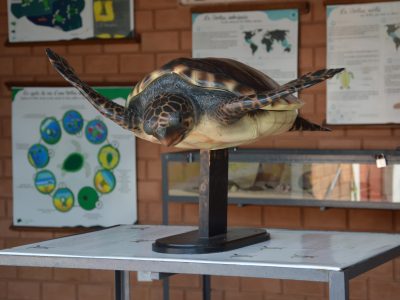
The Renatura eco-center houses a permanent exhibition on sea turtles, which is freely accessible during office hours.

It presents the four species of turtles that inhabit the Congolese coastline, discusses the threats facing these animals, and explains how to protect them. A great tool for raising awareness among both children and adults!

The reception

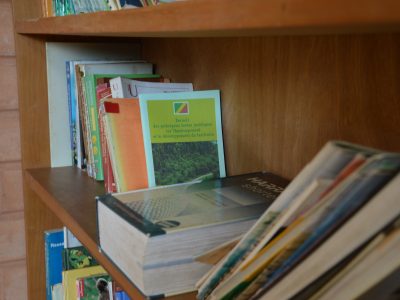
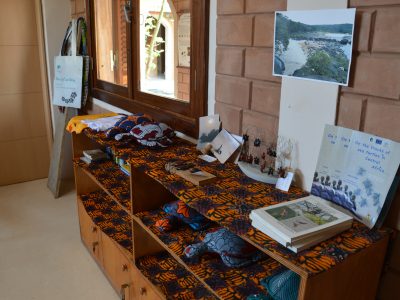
This space houses a collection of documents dedicated to environmental issues, which visitors can consult on site, as well as a small shop.

The items sold are made by local artisans and the profits enable us to fund small projects.

The CSO (Civil Society Organization) space

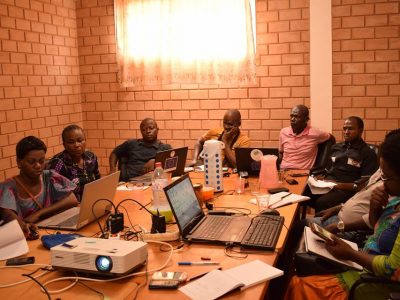
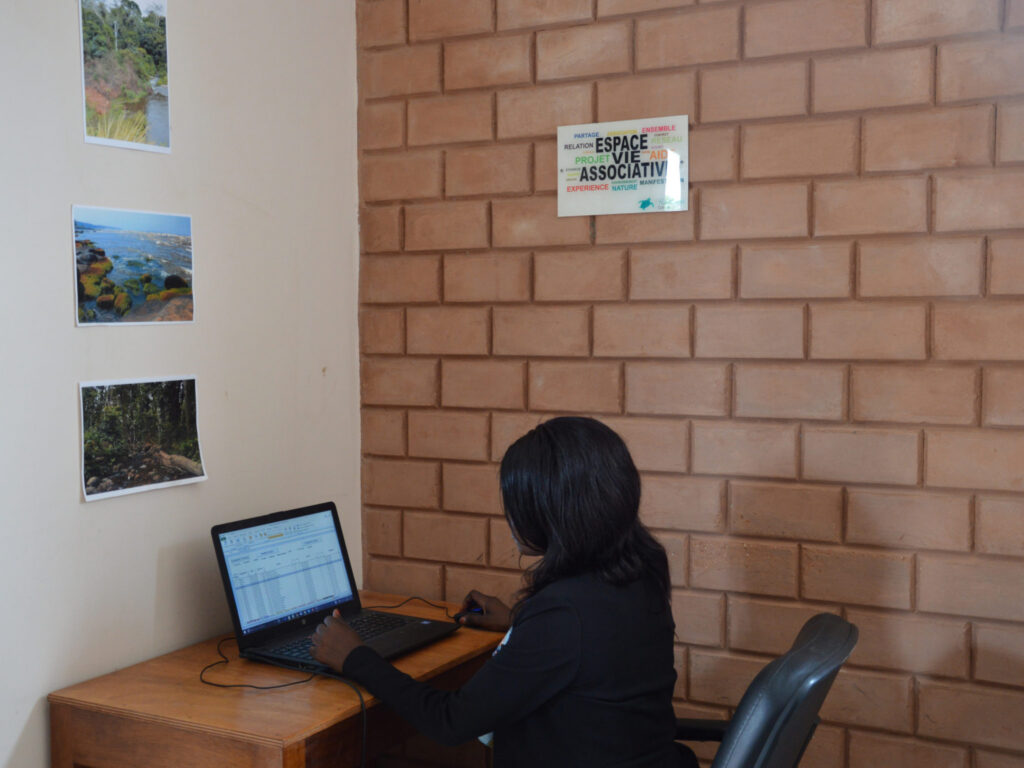
The eco-center is also a meeting place for civil society organizations working to promote sustainable development. Office space is available to member organizations of the eco-center, who can come and work there, using computers and the internet connection.

Our conference room can accommodate groups, particularly during capacity-building training sessions, which are offered throughout the year based on the needs of CSOs.

IFC Reading Point

Renatura Congo is part of the Reading Points Network set up by the French Institute in Pointe Noire. The project aims to create free neighborhood libraries and promote access to books for children.

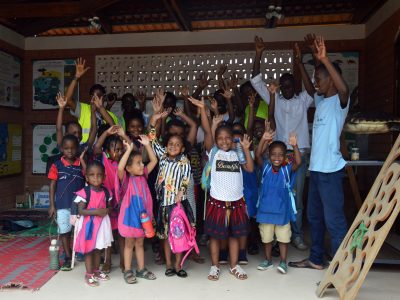
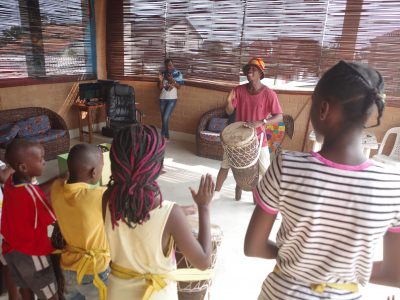
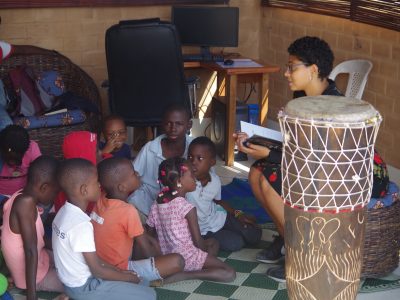
Every Wednesday afternoon, we welcome young people from the neighborhood who come to enjoy the many books and board games available. 

wpChatIcon